Natural Law/Philosophy | Acton On-Demand

Please register for free to get access to our videos.

Back to Videos

Natural Law/Philosophy

Religion, Truth, and Liberty
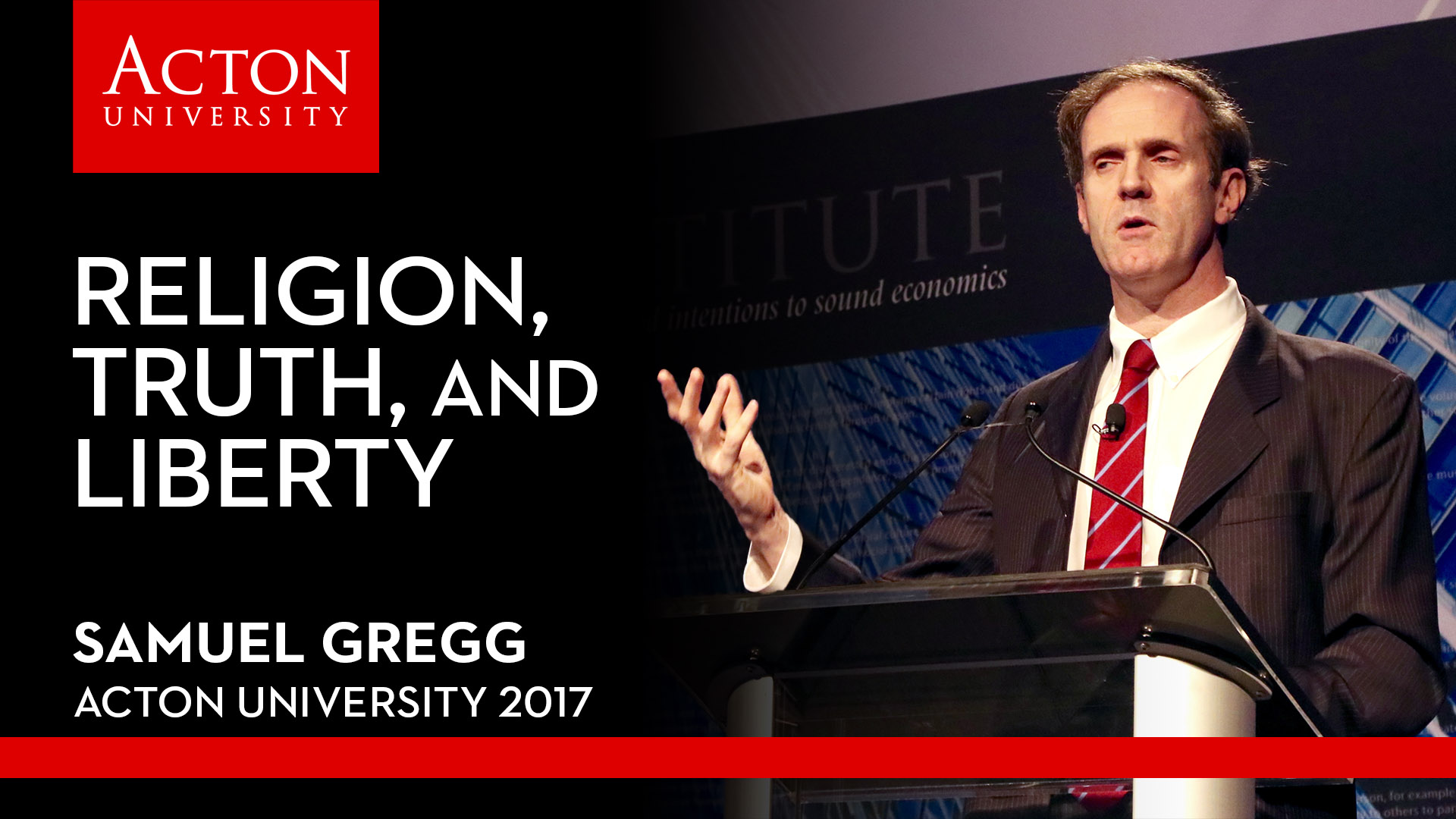
Samuel Gregg, Director of Research at the Acton Institute, delivers the opening plenary lecture of Acton University 2017 at DeVos Place in downtown Grand Rapids, Michigan. Gregg’s lecture focuses on the very real threats faced by religious believers around the world (and especially in developing nations), and the pressures that are increasing on religious liberty

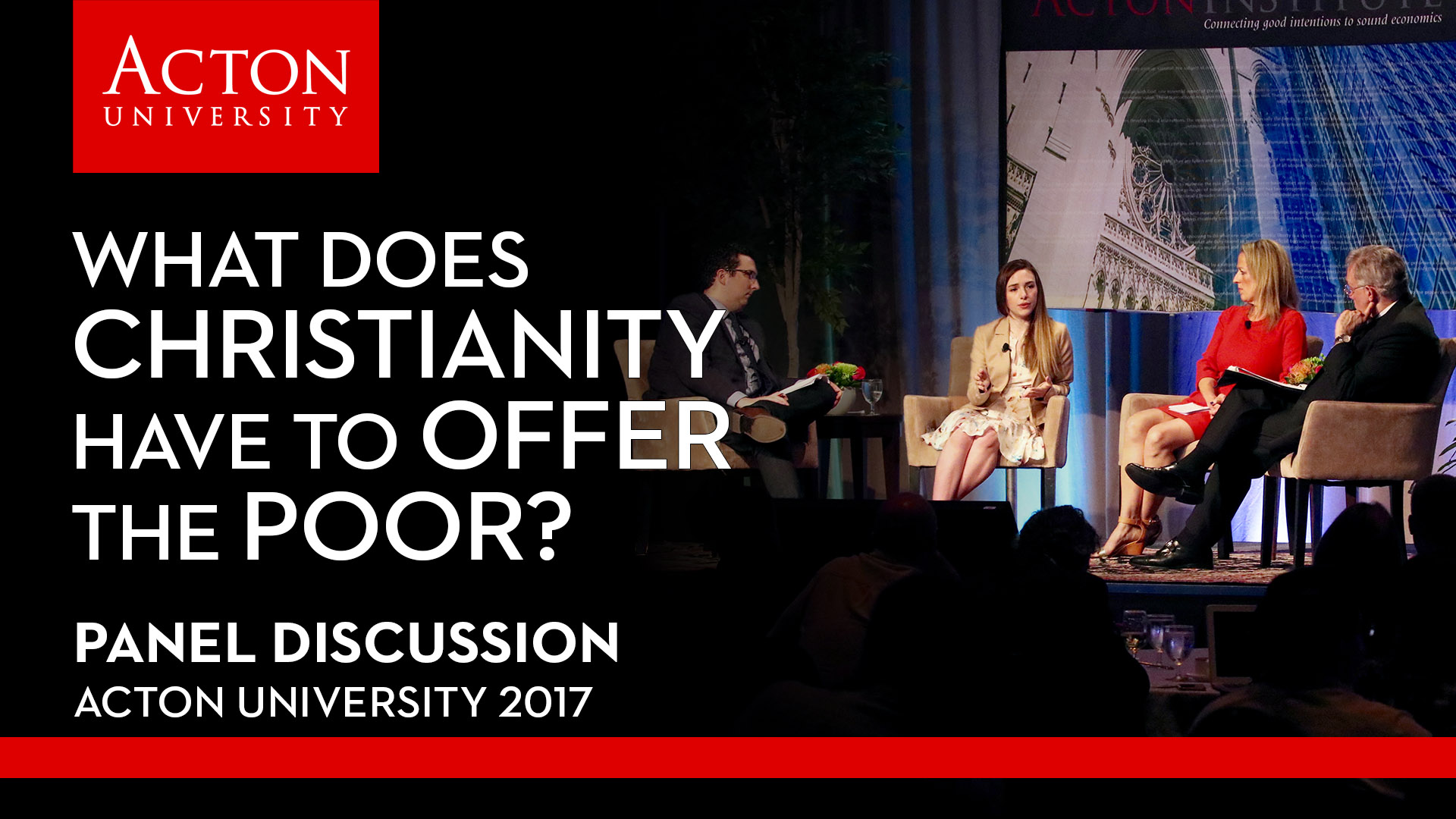
What Does Christianity Have To Offer The Poor?

, , and

On Thursday, June 22 2017, the Acton Institute presented a panel discussion on the topic of what Christianity has to offer the poor. Panelists included Michael Wear, founder of Public Square Strategies LLC; Anne Rathbone Bradley, Vice President of Economic Initiatives at the Institute for Faith, Work & Economics; Elizabeth Bruenig, Assistant Editor of the

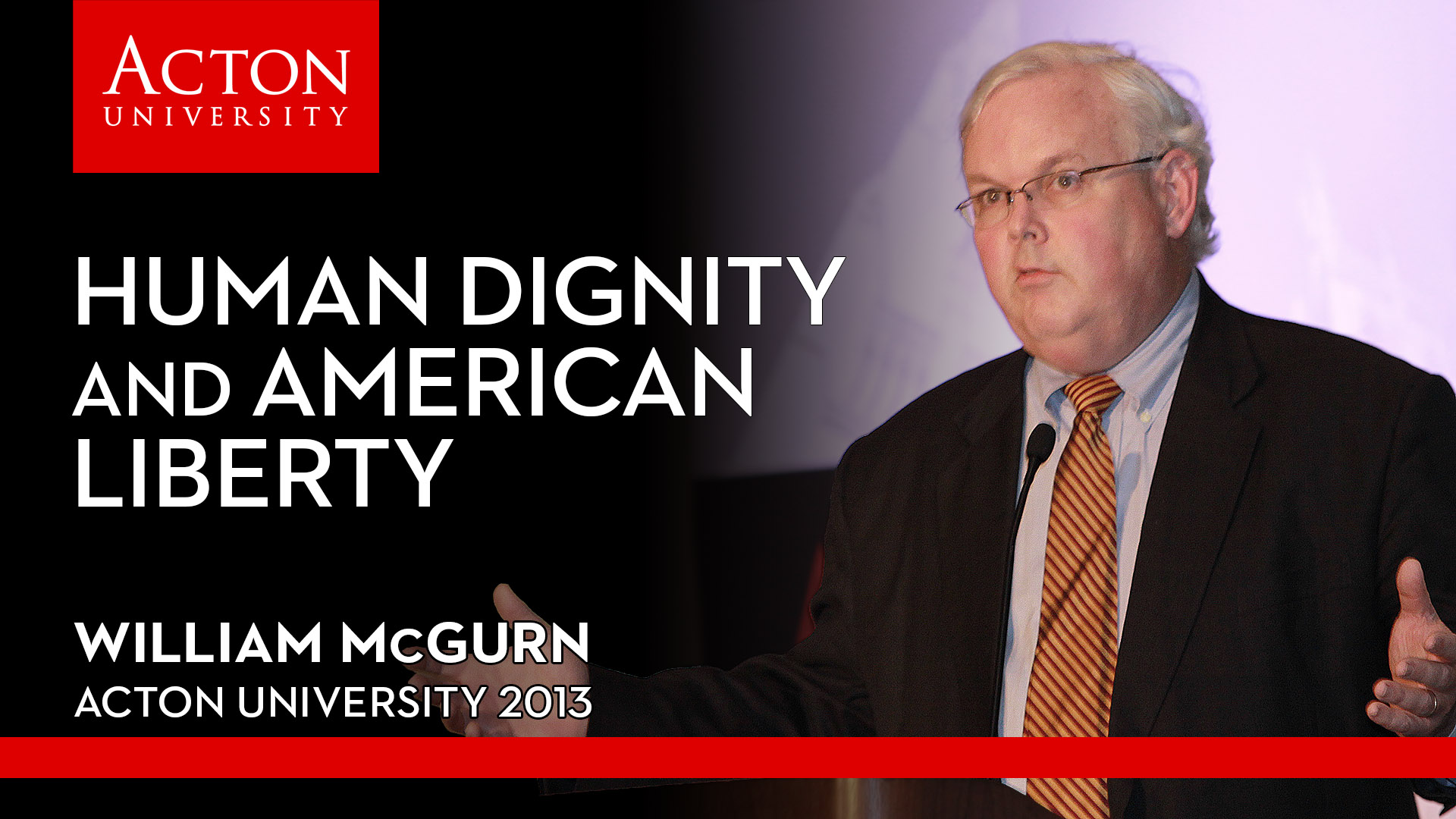
Human Dignity and American Liberty

On June 20, 2013, William McGurn, the Editorial Page Editor of The New York Post, delivered a plenary address to participants in Acton University at DeVos Place in Grand Rapids, Michigan. Prior to assuming the editorship of the Editorial Page of the New York Post, he was a vice president for News Corporation, where he

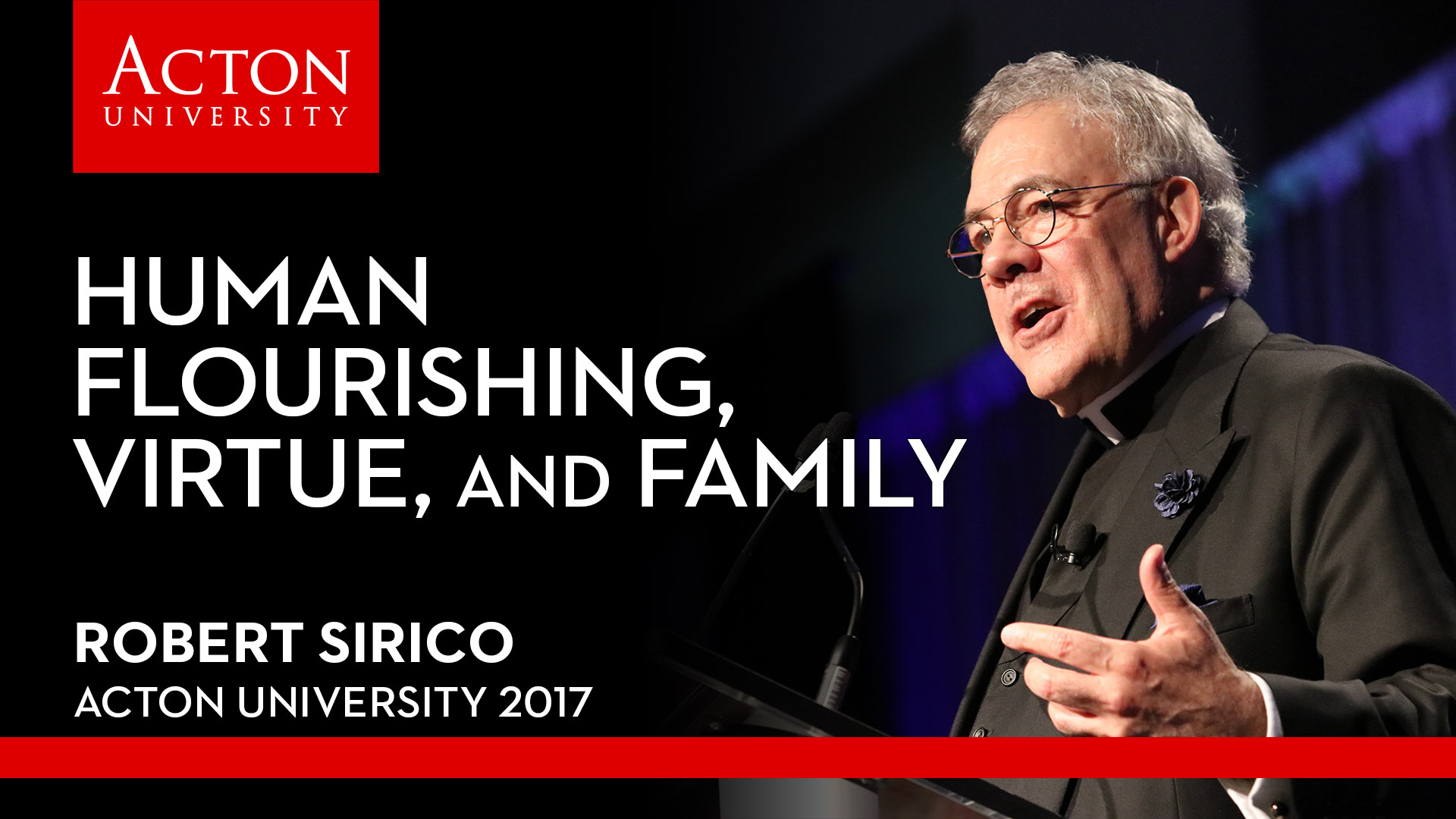
Human Flourishing, Virtue, and Family

Rev. Robert A. Sirico, president emeritus of the Acton Institute, gave this plenary address during Acton University 2017. He spoke on the importance of virtue in society and that the most influential institution in any society is the family. If we truly believe in human flourishing, then change starts at home and in our local

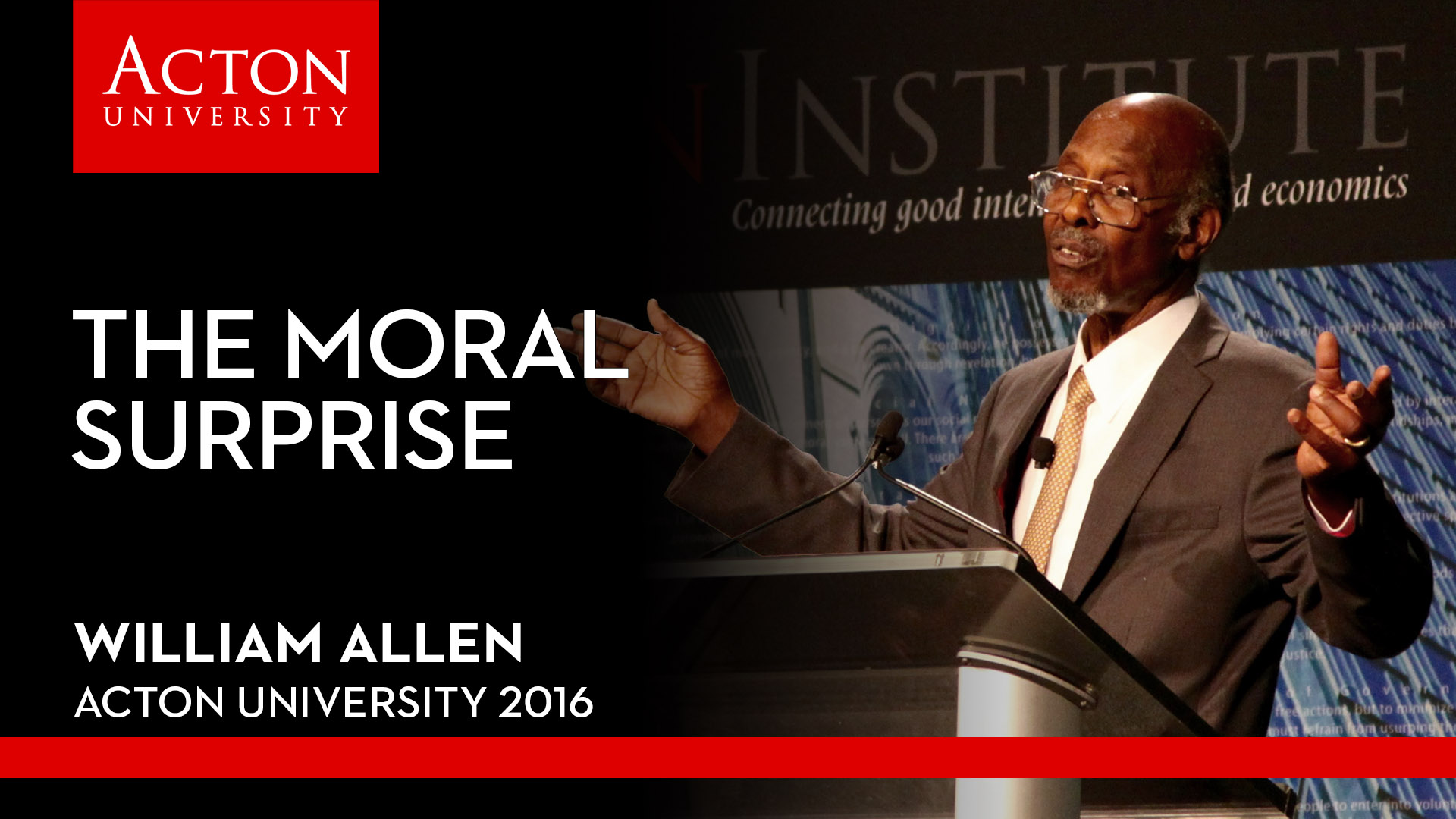
A Moral Surprise: The Common Foundation of Christianity and Modern Politics

Dr. William B. Allen Emeritus Professor of Political Philosophy, Michigan State University. William B. Allen, emeritus professor of Political Philosophy in the Department of Political Science and emeritus dean, James Madison College, at Michigan State University. He served previously on the United States National Council for the Humanities and as Chairman and Member of the

Islam, Reason, and Freedom (Engage the Speaker AU2021)

Engage the Speaker Session for “Islam, Reason, and Freedom” (AU2021). Original Lecture description below. It is no secret today that Islam has authoritarian interpretations that reject the principles of human freedom. This includes imposing religion through state power, punishing people for “apostasy” or “blasphemy,” or degrading women or minorities. This lecture will delve into the

Islam, Reason, and Freedom – Engage the Speaker

It is no secret today that Islam has authoritarian interpretations that reject the principles of human freedom. This includes imposing religion through state power, punishing people for “apostasy” or “blasphemy,” or degrading women or minorities. This lecture will delve into the formative centuries of Islam to map out the roots of the problem, while also

Islam, Reason, and Freedom

It is no secret today that Islam has authoritarian interpretations that reject the principles of human freedom. This includes imposing religion through state power, punishing people for “apostasy” or “blasphemy,” or degrading women or minorities. This lecture will delve into the formative centuries of Islam to map out the roots of the problem, while also

Getting Social Justice Right

Some people think social justice is a twentieth century invention of left-leaning thinkers, but this starts the history of social justice midstream. To understand its true meaning, we must look farther back to its real historical origins. The first known use of the phrase “social justice” was by a Jesuit Thomist, Luigi Taparelli, in his

The Prospects for Liberty in the Islamic World

In a lecture titled “Islam and Freedom: The Challenge and The Hope”, Mustafa Akyol—senior fellow at the Cato Institute’s Center for Global Liberty and Prosperity—discusses political and social problems that exist in the Muslim world, including authoritarianism and terrorism, and the prospects for finding ways to strengthen the idea of individual liberty within the Islamic

Religious Liberty in a Secular Age

In conformity with Nietzsche’s prophecy, the modern West is experiencing a radical desacralizing of the social order, unprecedented in world history. The great theologian Dietrich Bonhoeffer described it as an era in which Westerners had learned to manage life without reference to God. American sociologist Philip Rieff refers to our era as one in which

Natural Law and the Protestant Reformation

While the formal significance of the 500th anniversary of the Protestant Reformation might be celebrated by Protestants and lamented by Catholics, reflecting back on sixteenth-century reform 500 years removed affords valuable lessons. The occasion also allows us to highlight the theological and legal thinking of a most remarkable though much forgotten figure of the Protestant

Renaissance: The Power of the Gospel However Dark the Times

We live in dark times. Christians wonder: Are the best days of the Christian faith behind us? Has modernity made Christian thought irrelevant and impotent? Is society beyond all hope of redemption and renewal? In Renaissance, Os Guinness declares no. Throughout history, the Christian faith has transformed entire cultures and civilizations, building cathedrals and universities,

The Conservative Heart

In “The Conservative Heart,” Arthur C. Brooks, the prominent economist and president of AEI — the leading intellectual think tank on the right — offers a bold new vision for conservatism as a movement for social and economic justice. Brooks contends that after years of focusing on economic growth and traditional social values, it is

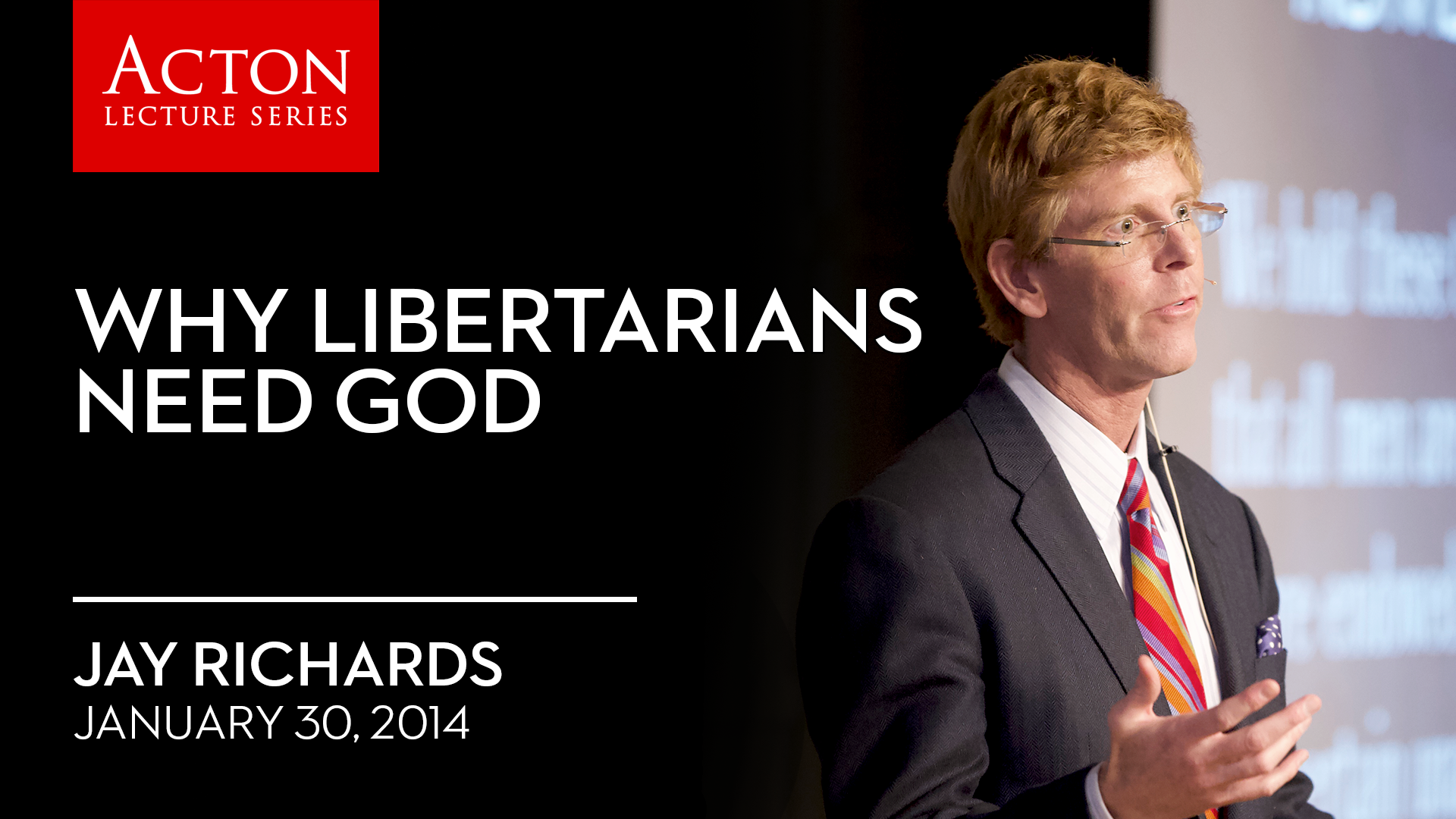
Why Libertarians Need God

Jay W. Richards, Ph.D., Distinguished Fellow at the Institute for Faith, Work & Economics and New York Times bestselling author, delivers an address entitled “Why Libertarians Need God” as part of the 2014 Acton Lecture Series in the Mark Murray Auditorium of the Acton Building in Grand Rapids, Michigan. In his address, Richards argued that

The Birth of Freedom Curriculum: Session 1 – A Civilization without Slaves

Did you know that the opponents of Christianity have—for centuries—controlled the very terms by which we understand the history of Christianity, arguing that Christianity hobbled the Roman Empire, snuffed out scientific progress, and threw the world into the Dark Ages? Many people don’t even give Christianity a hearing because they think, “Why would I want